Street Address
City, State, Zip
Phone Number
Artist, Educator
Your Custom Text Here

Your Custom Text Here
Kapa is the term native Hawaiians used for the barkcloth they employed for clothing, bedding and for a variety of other secular and ceremonial purposes. The most common plant used in the making of Hawaiian kapa was wauke (the paper mulberry tree/ Broussonetia papyrifera). Wauke can produce barkcloth of varied textures: from coarse to very fine and gauzelike.
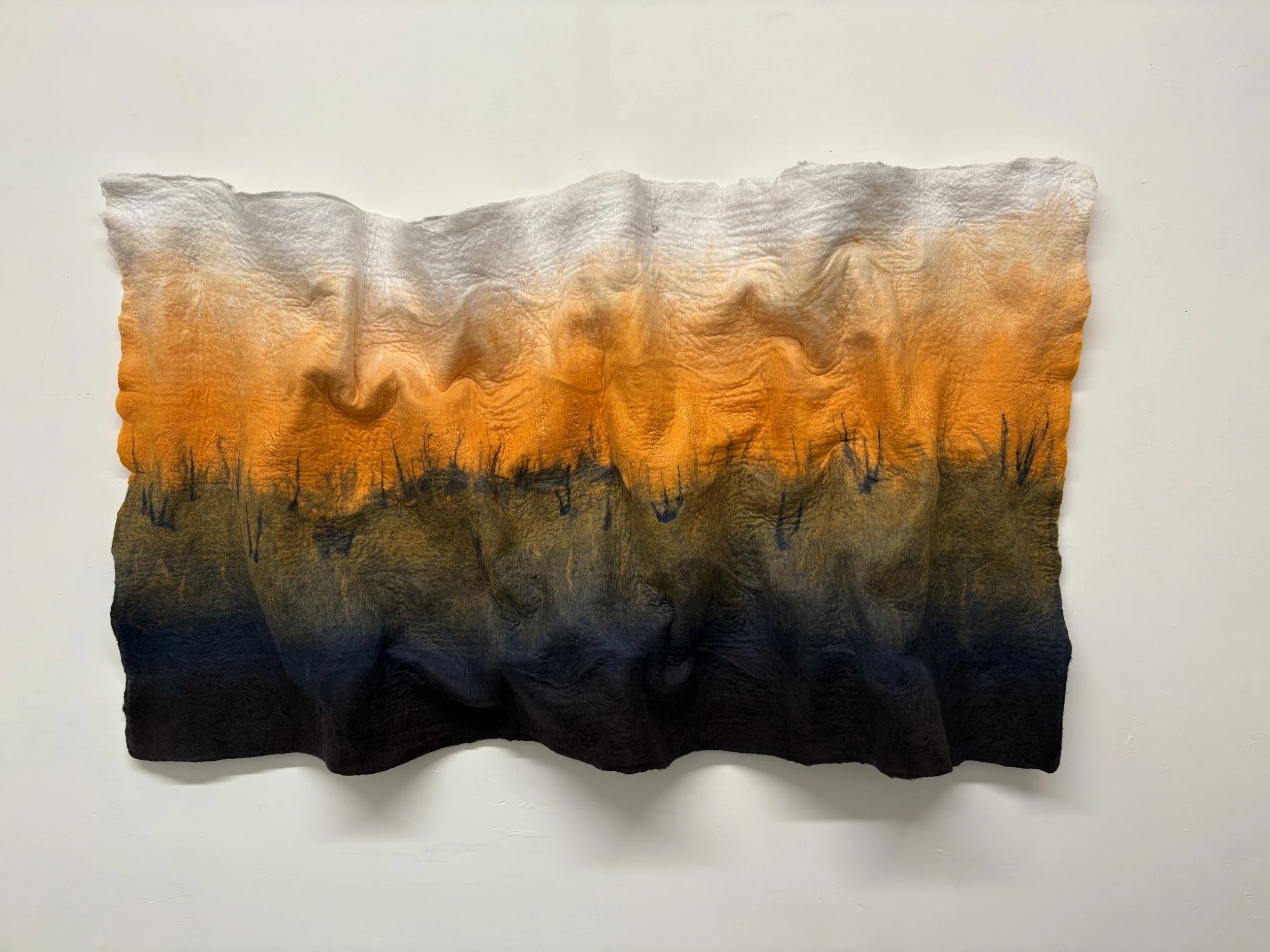
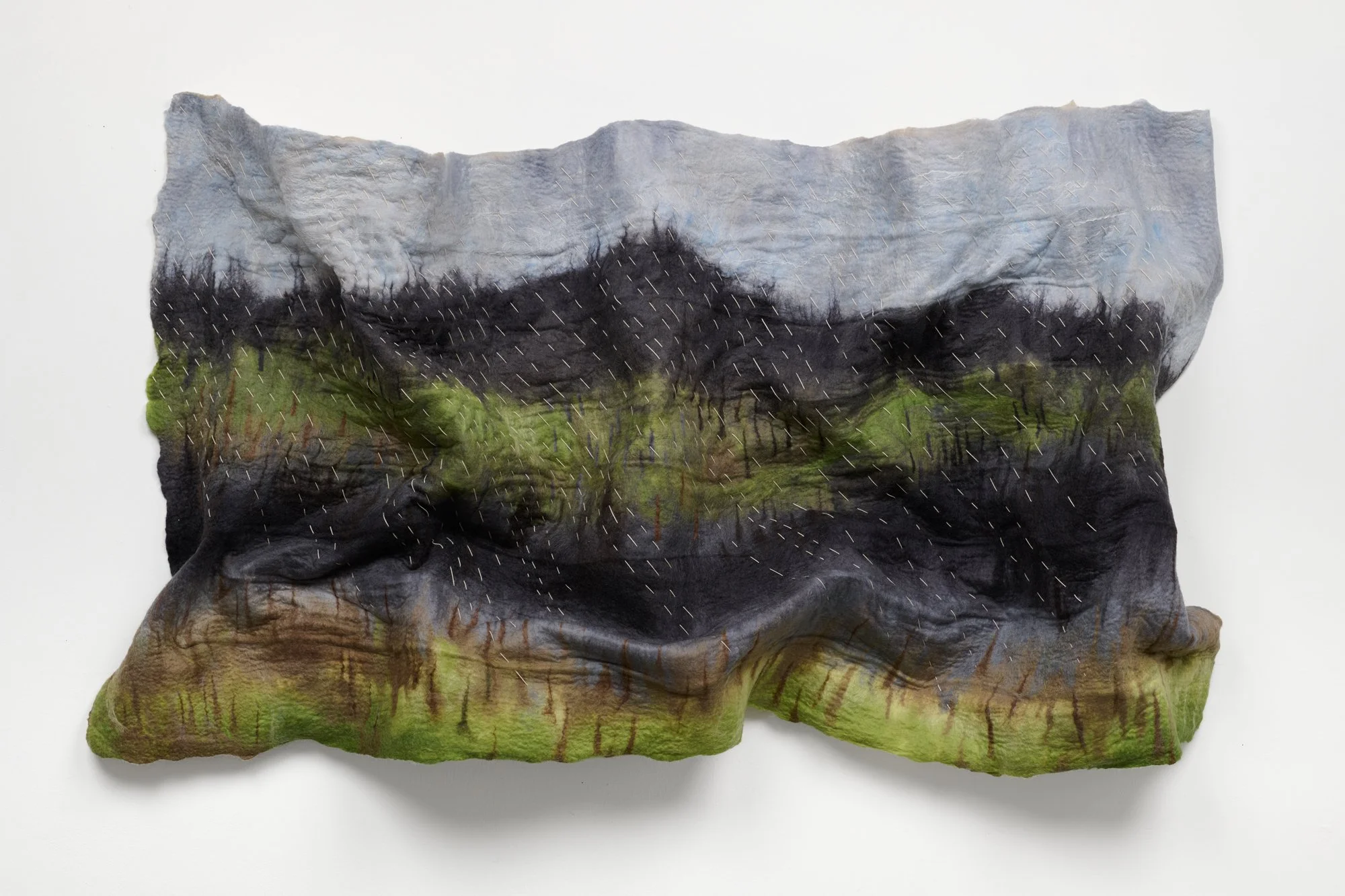
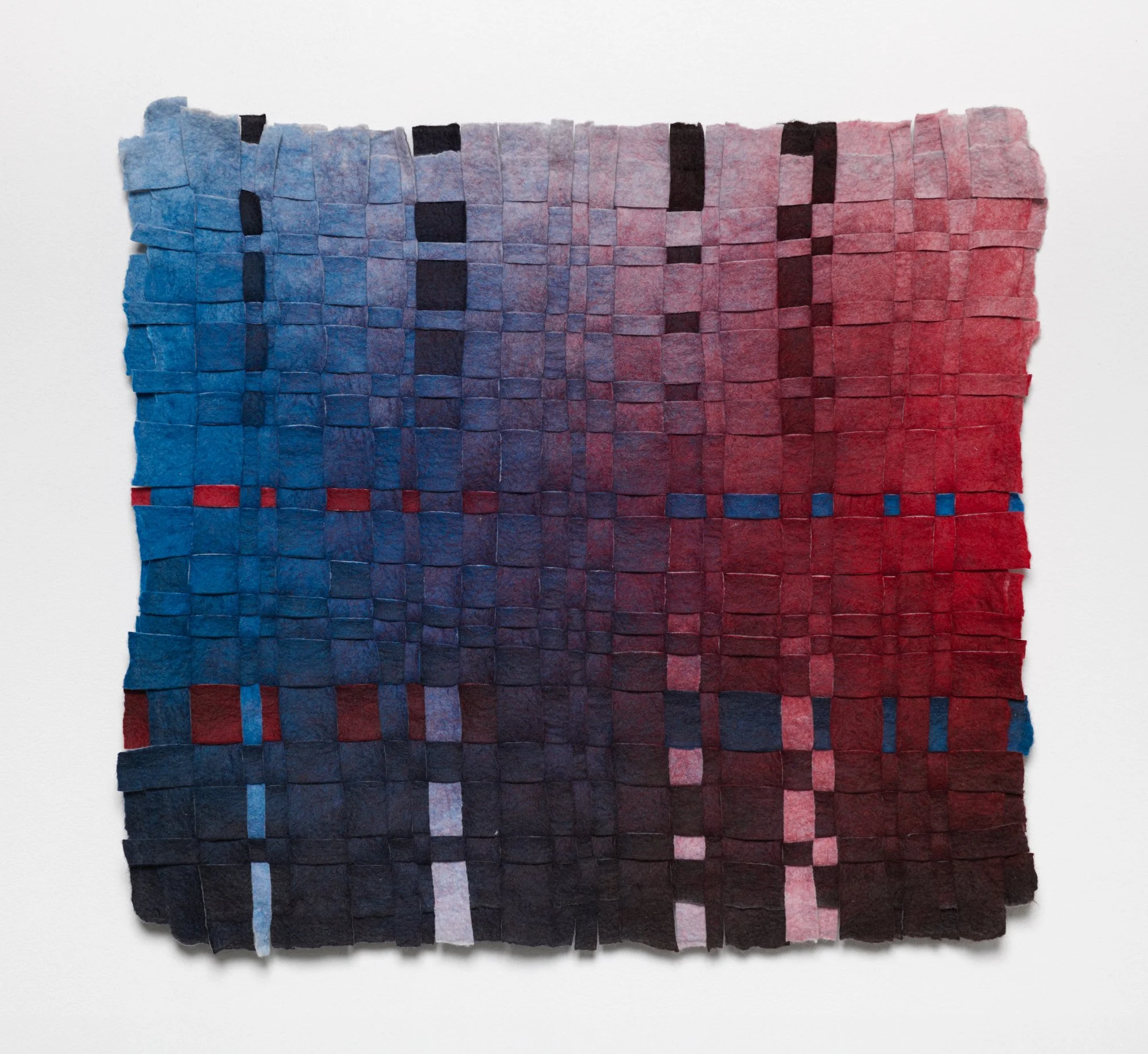
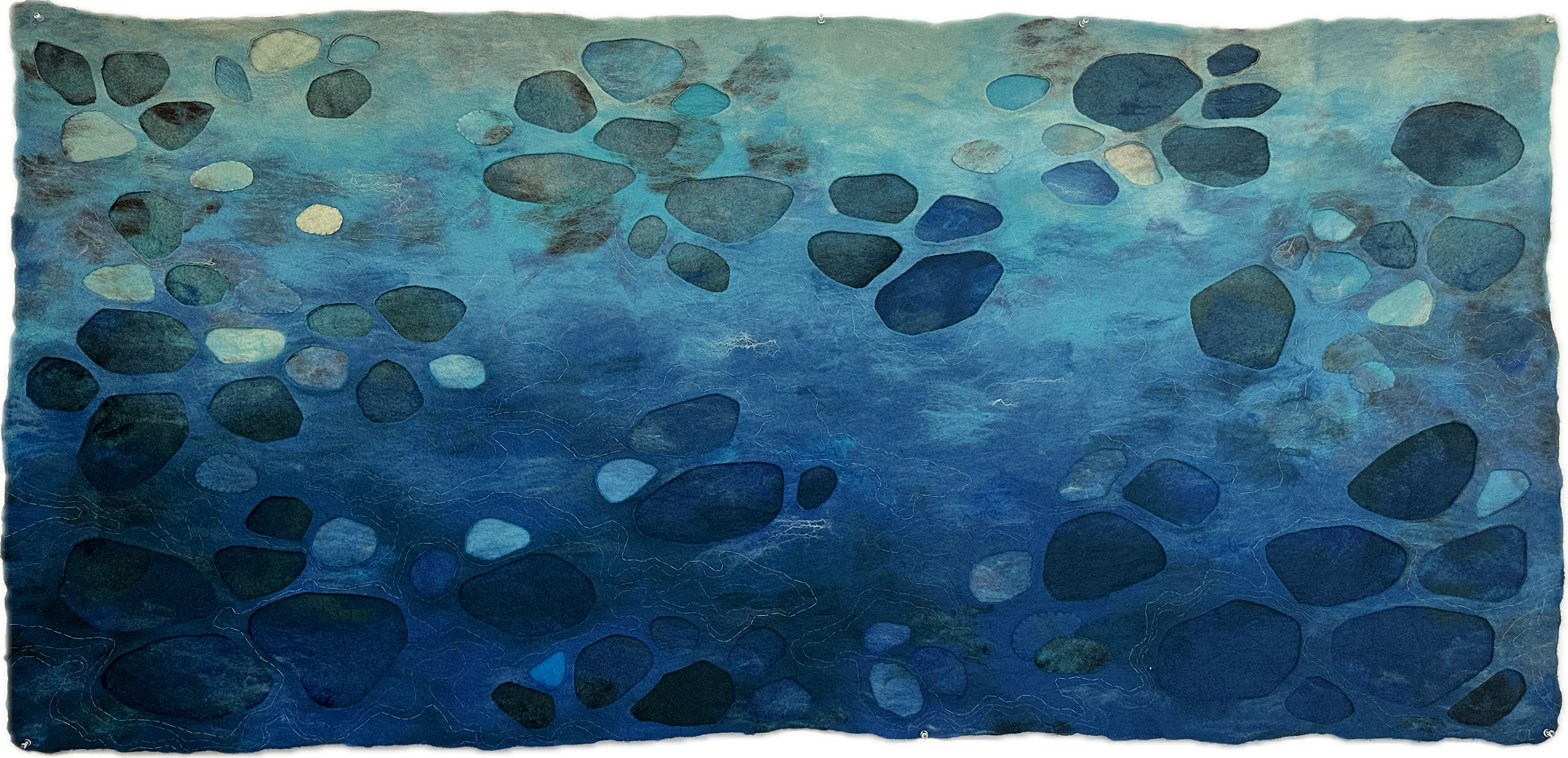
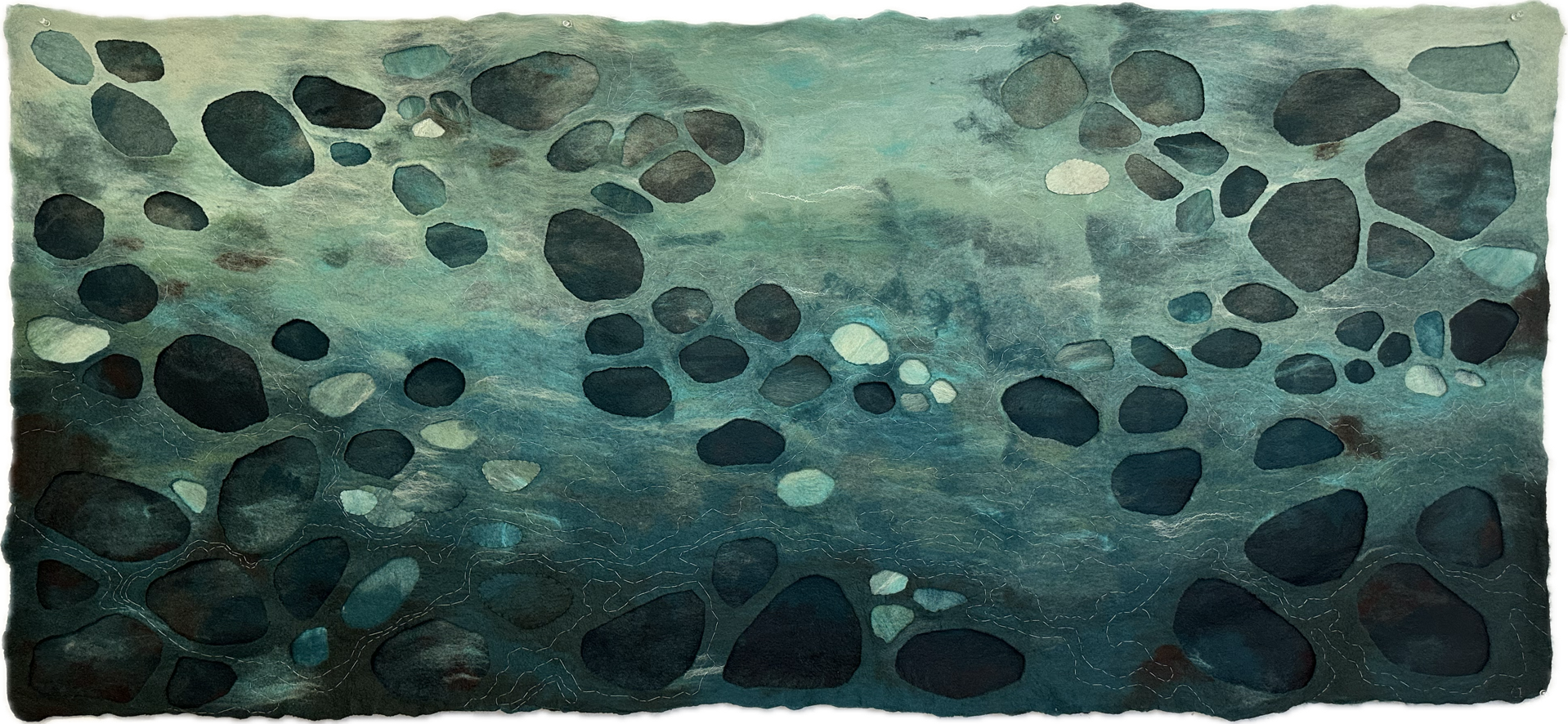
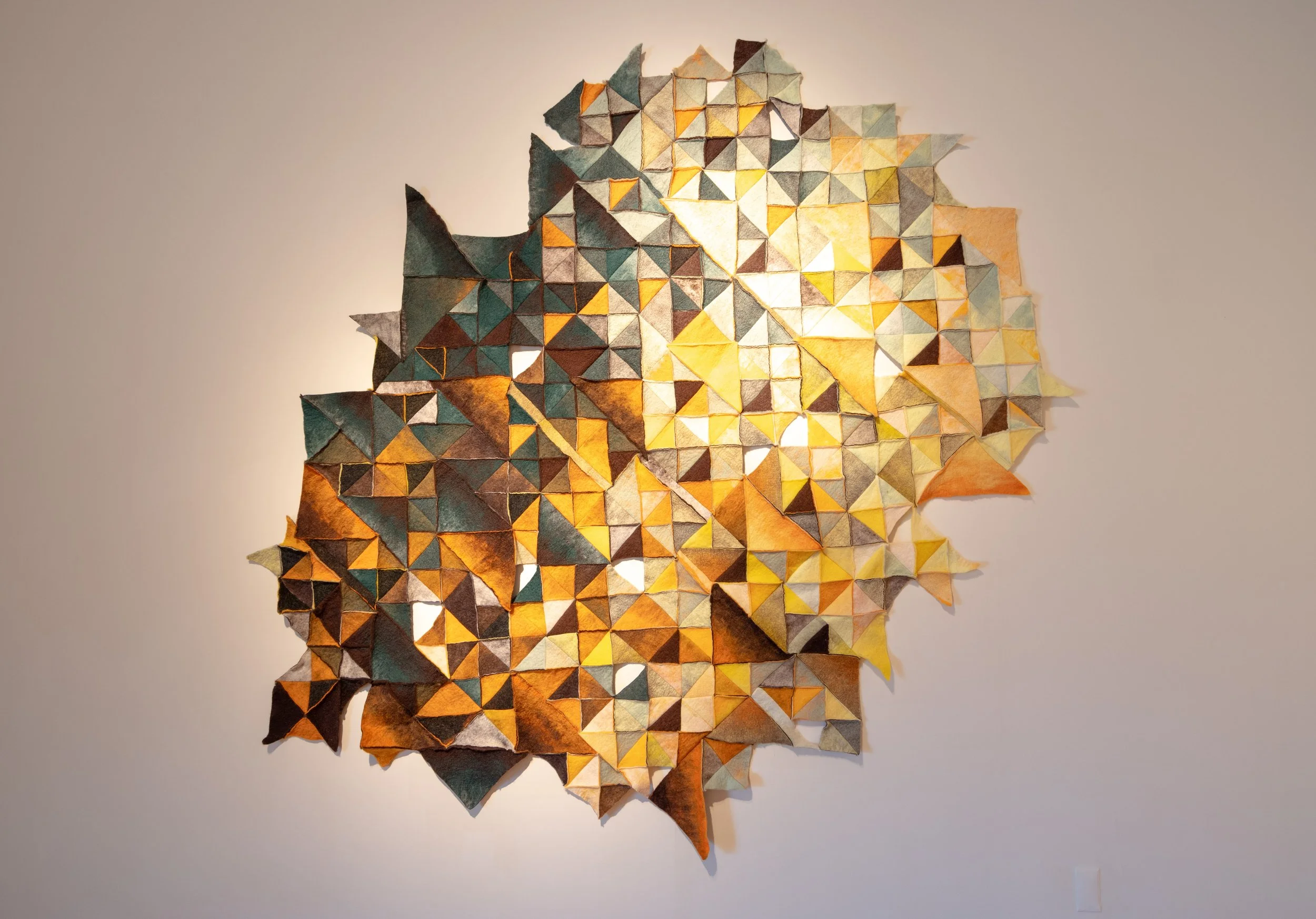
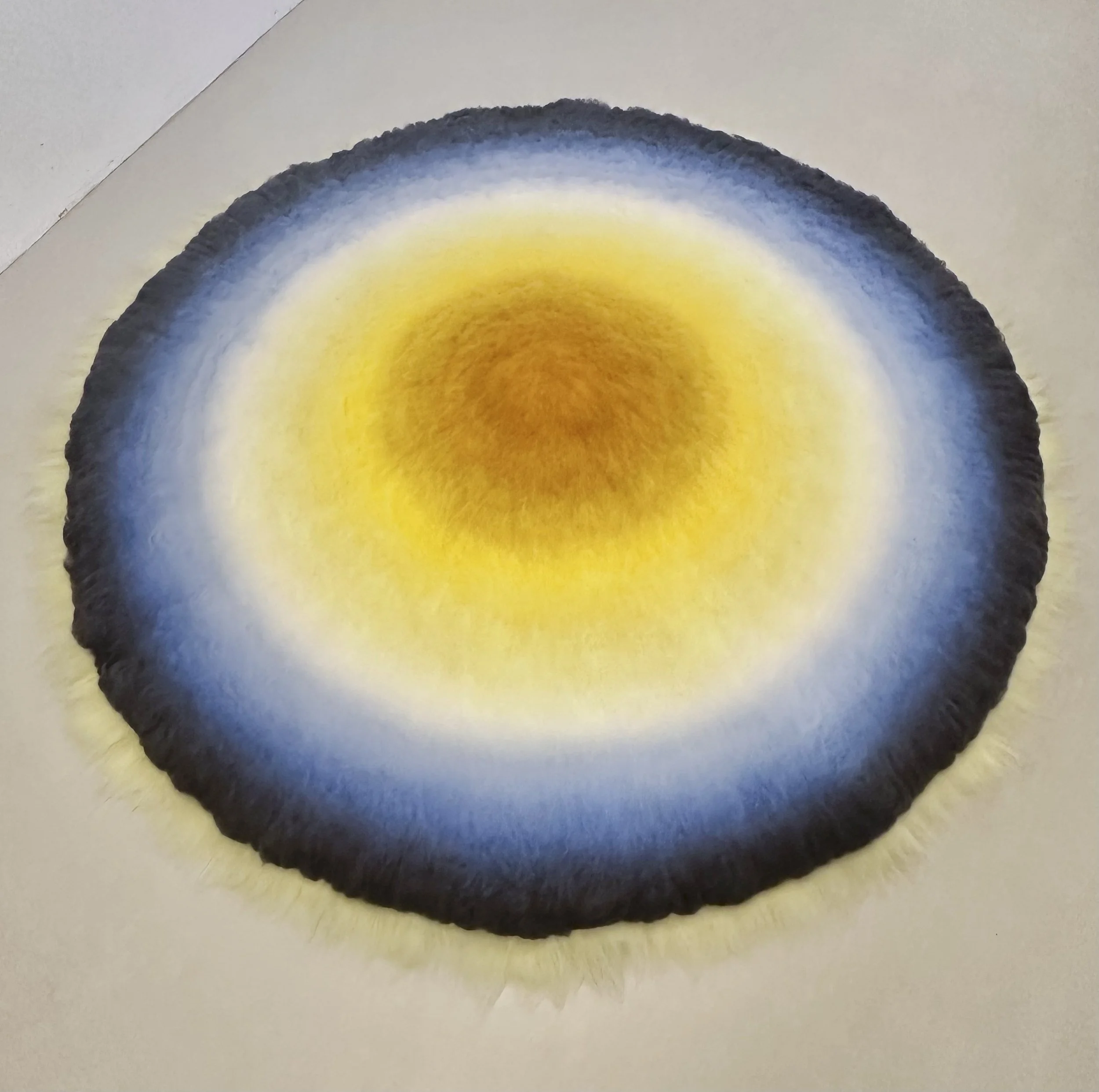
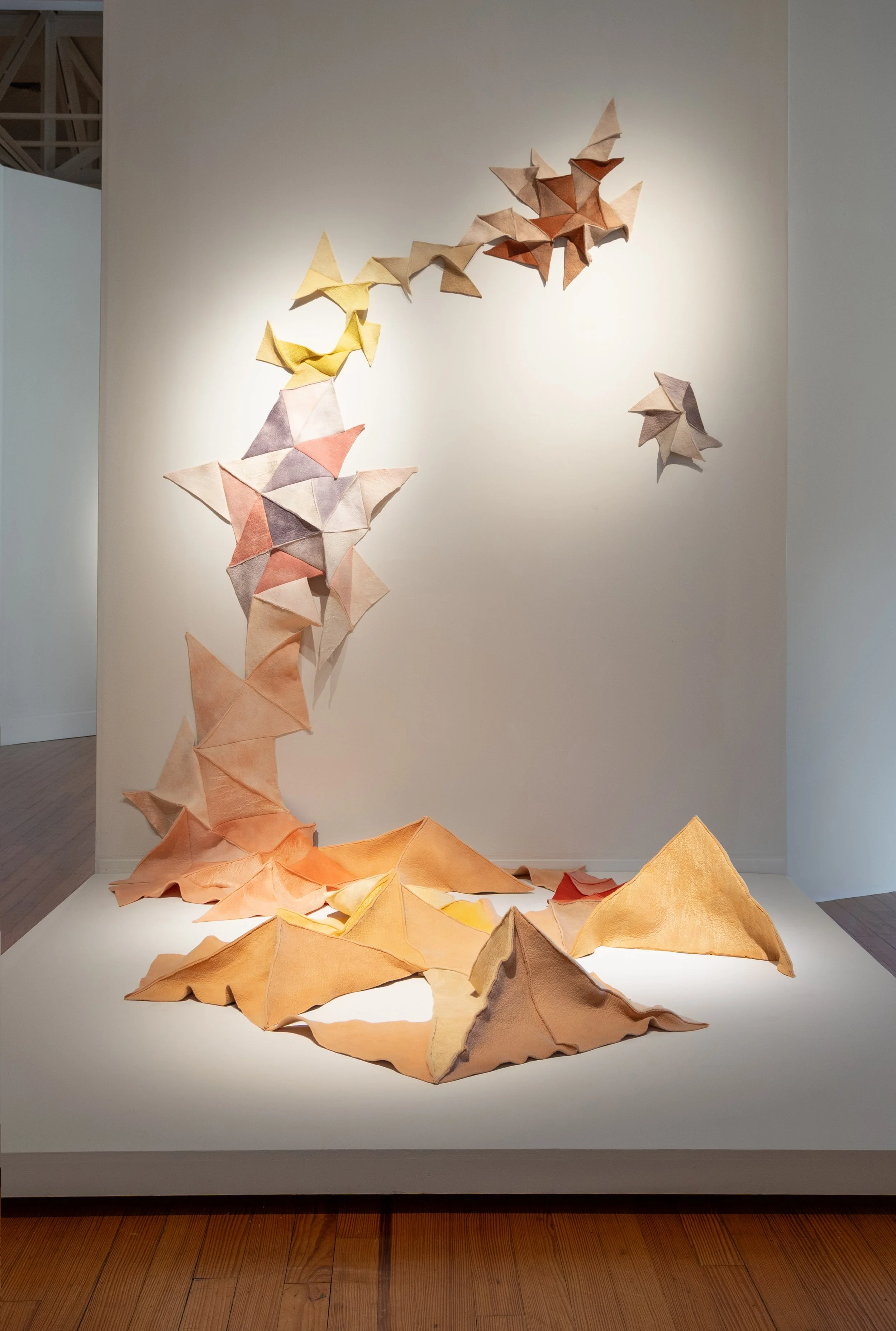
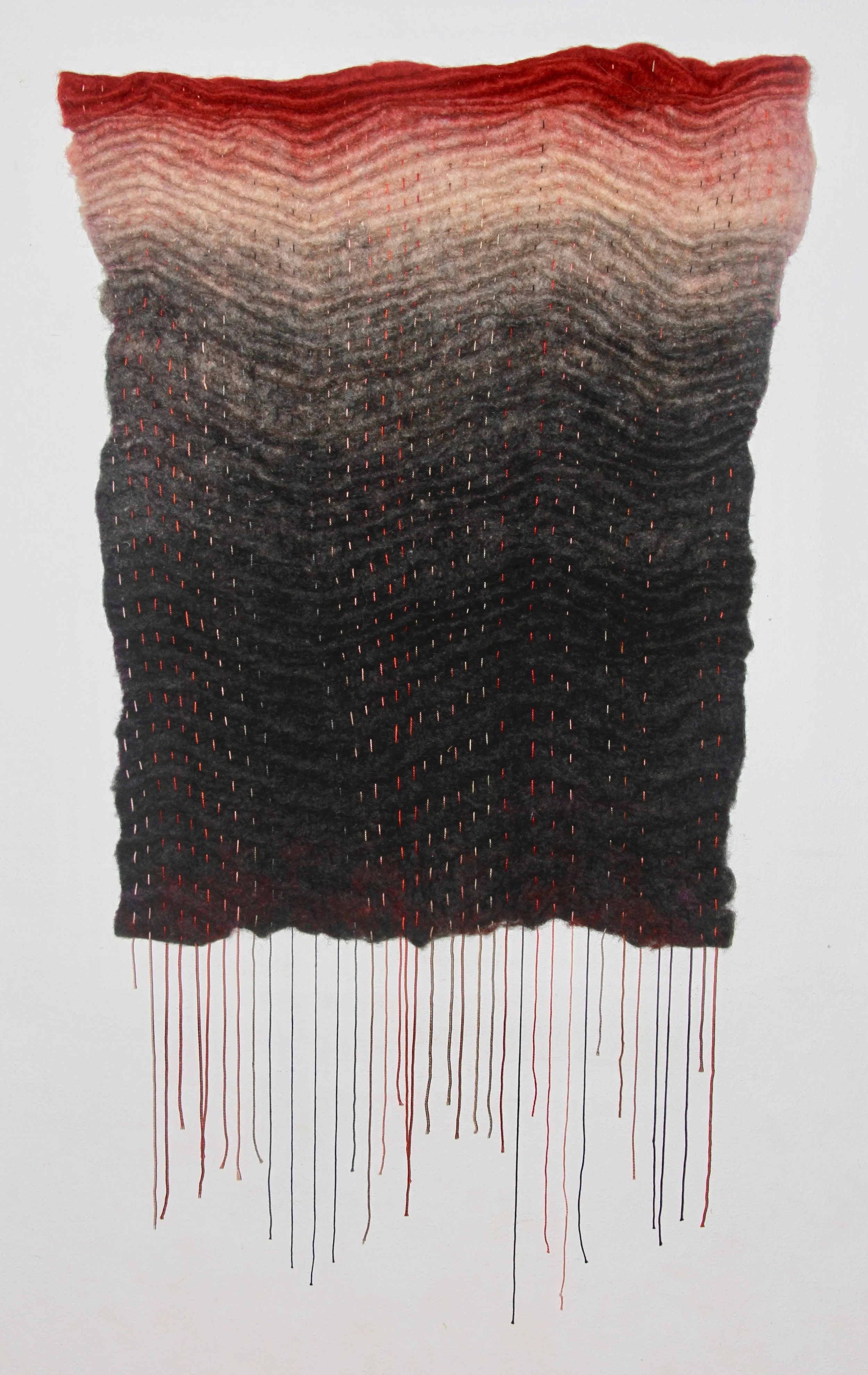
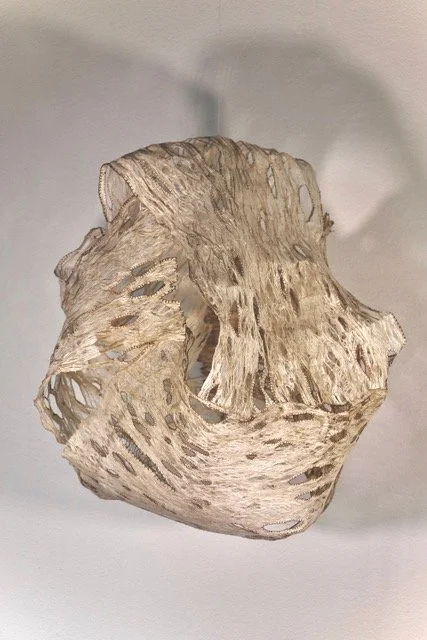
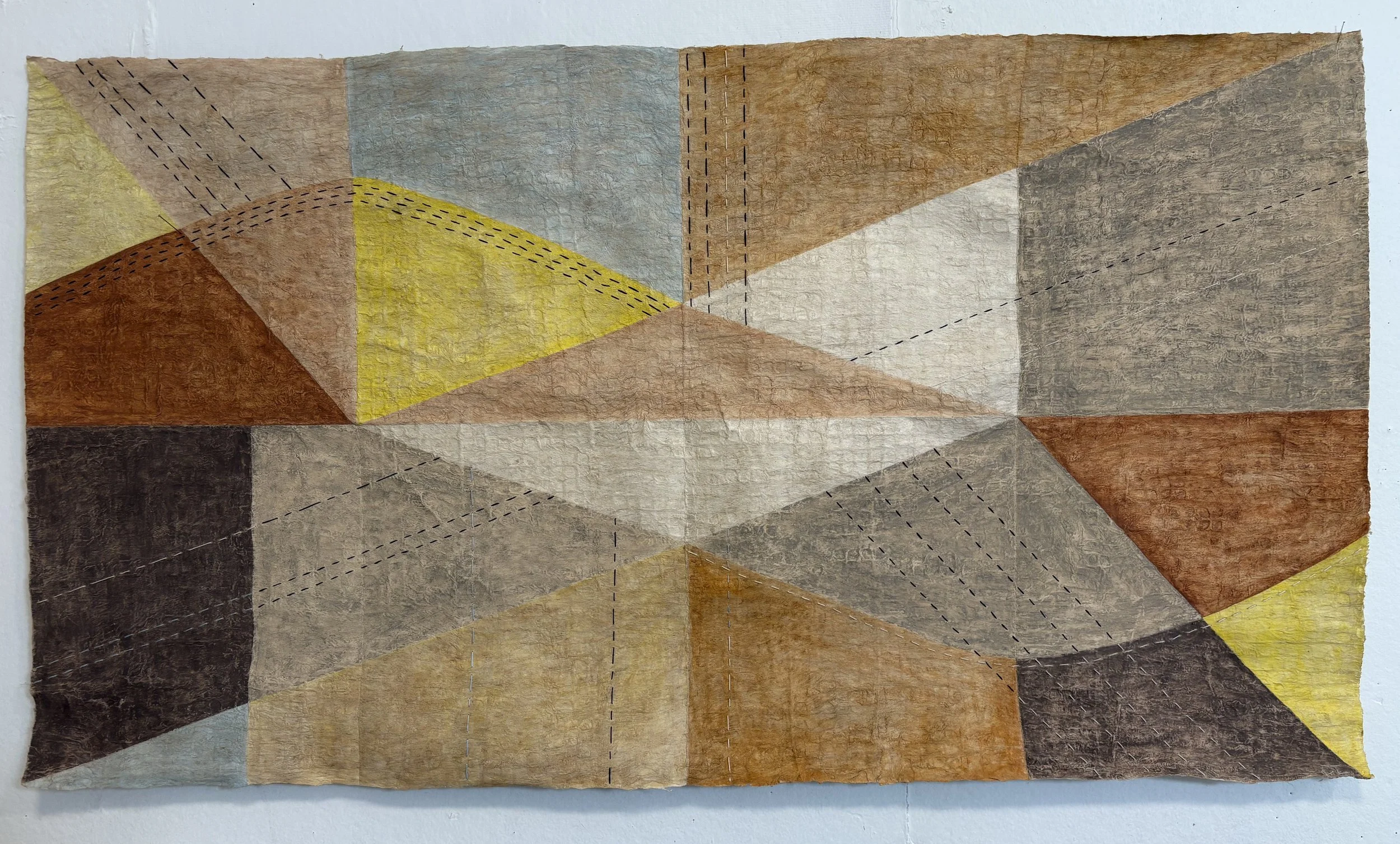
Since 2015, I’ve studied traditional Hawaiian kapa-making, and I enjoy every aspect of this labor-intensive method of processing and creating it. While I continue to honor and use traditional methods of processing and wauke, I am also interested in exploring new ways of working with this beautiful fiber and integrating it into my work. The works represented here include pieces that combine wauke with different fibers, such as thread, silk or wool. In some cases I embroider the kapa, but in all cases, I use natural plant pigments to print or dye each piece.
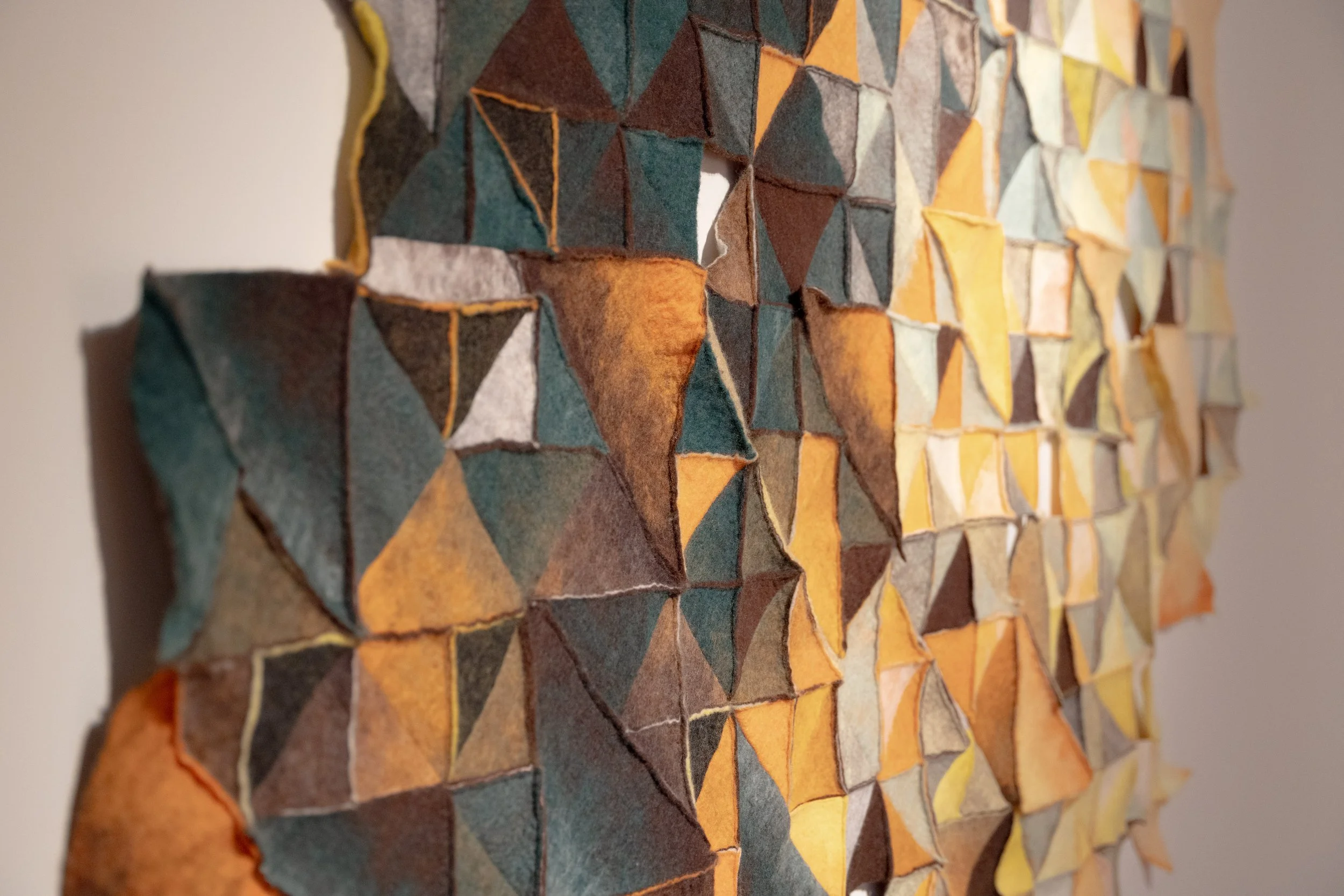
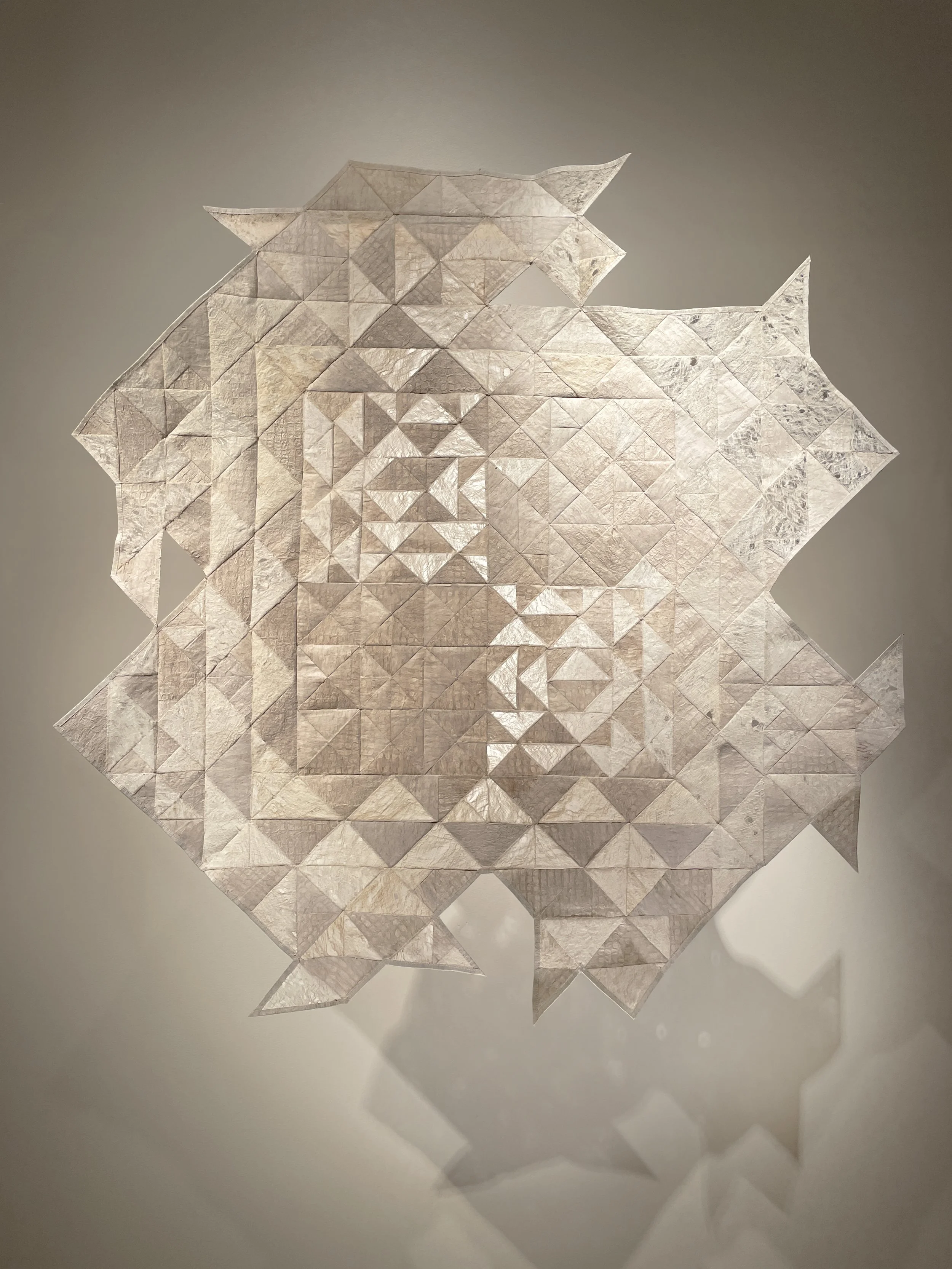
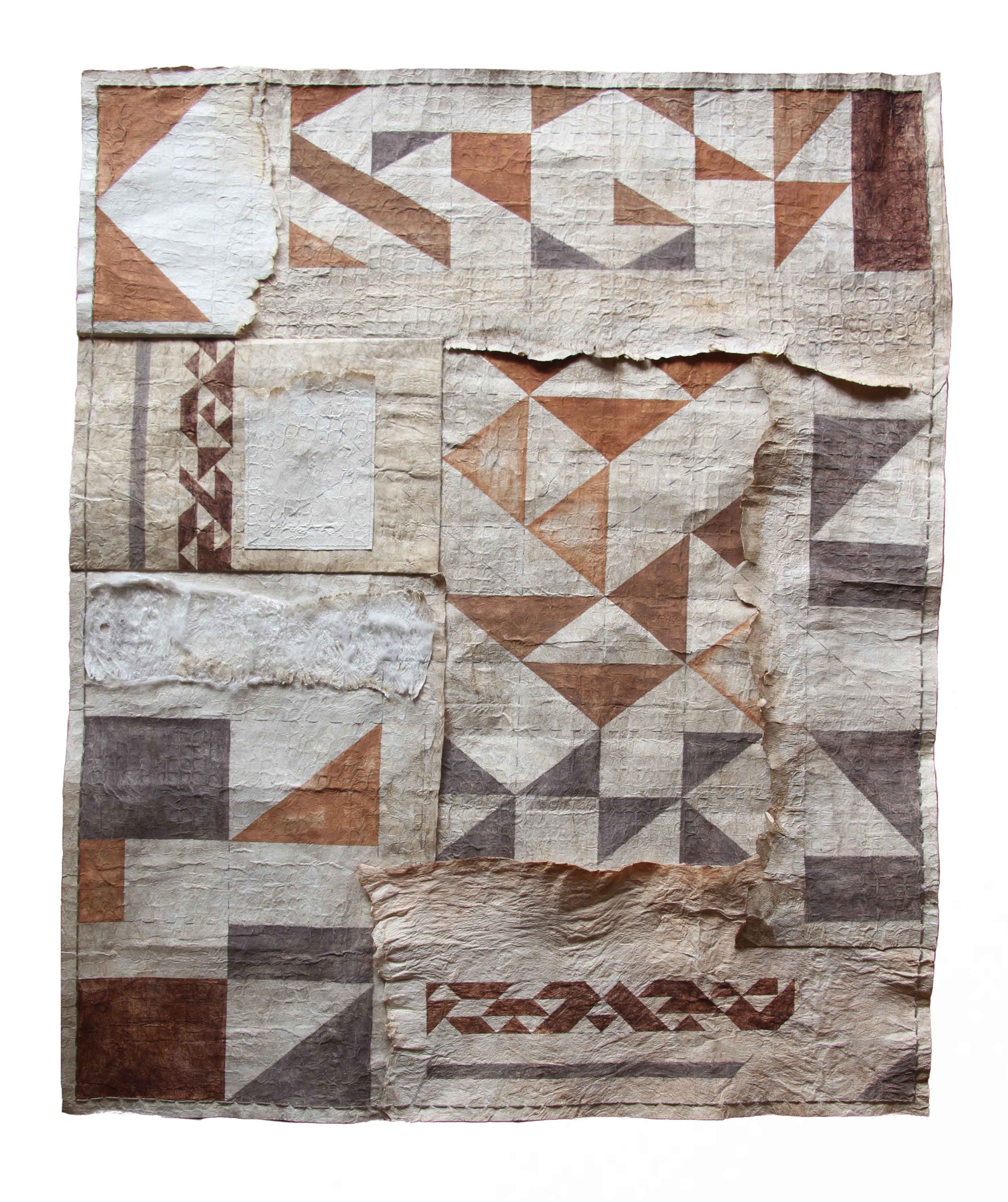
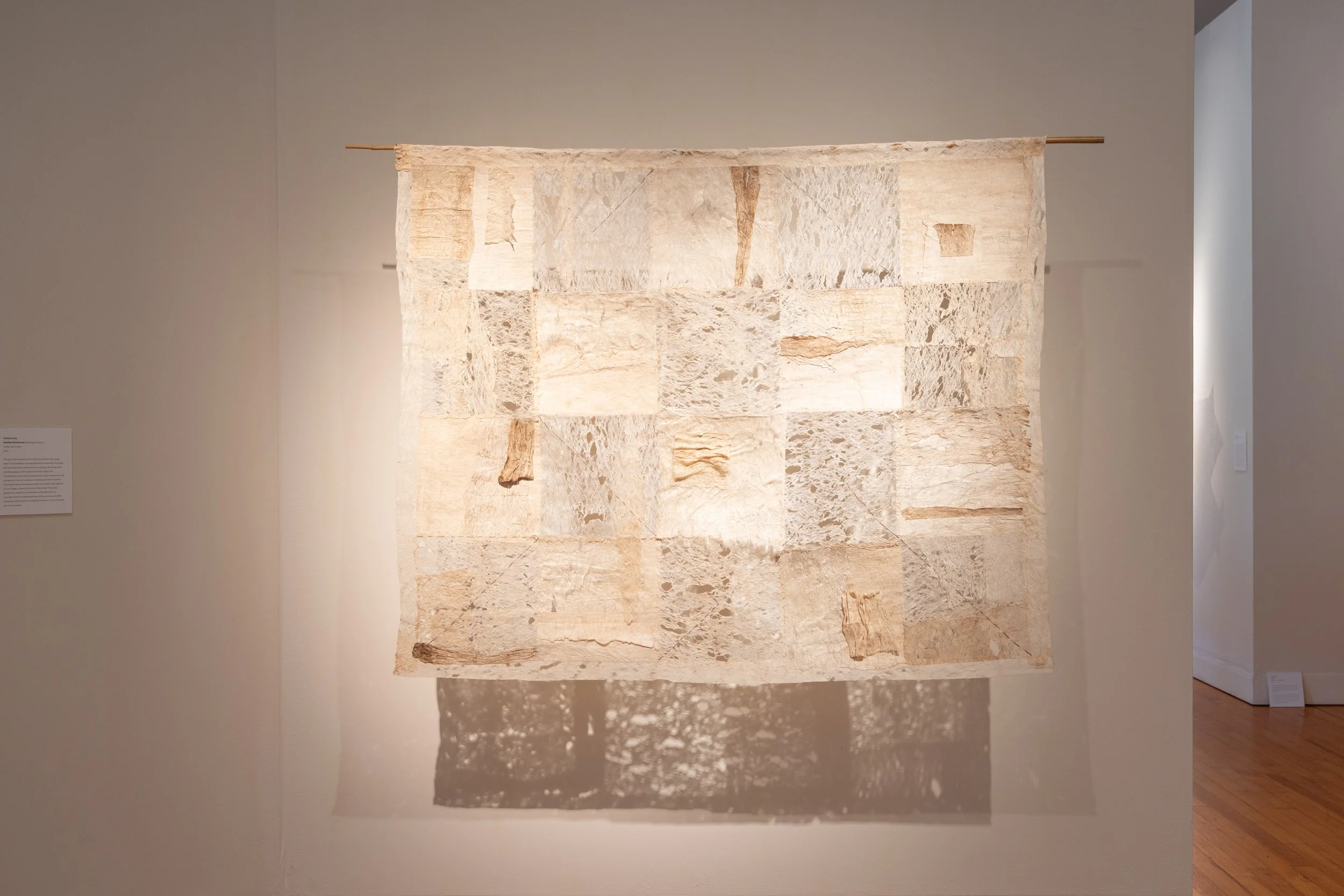
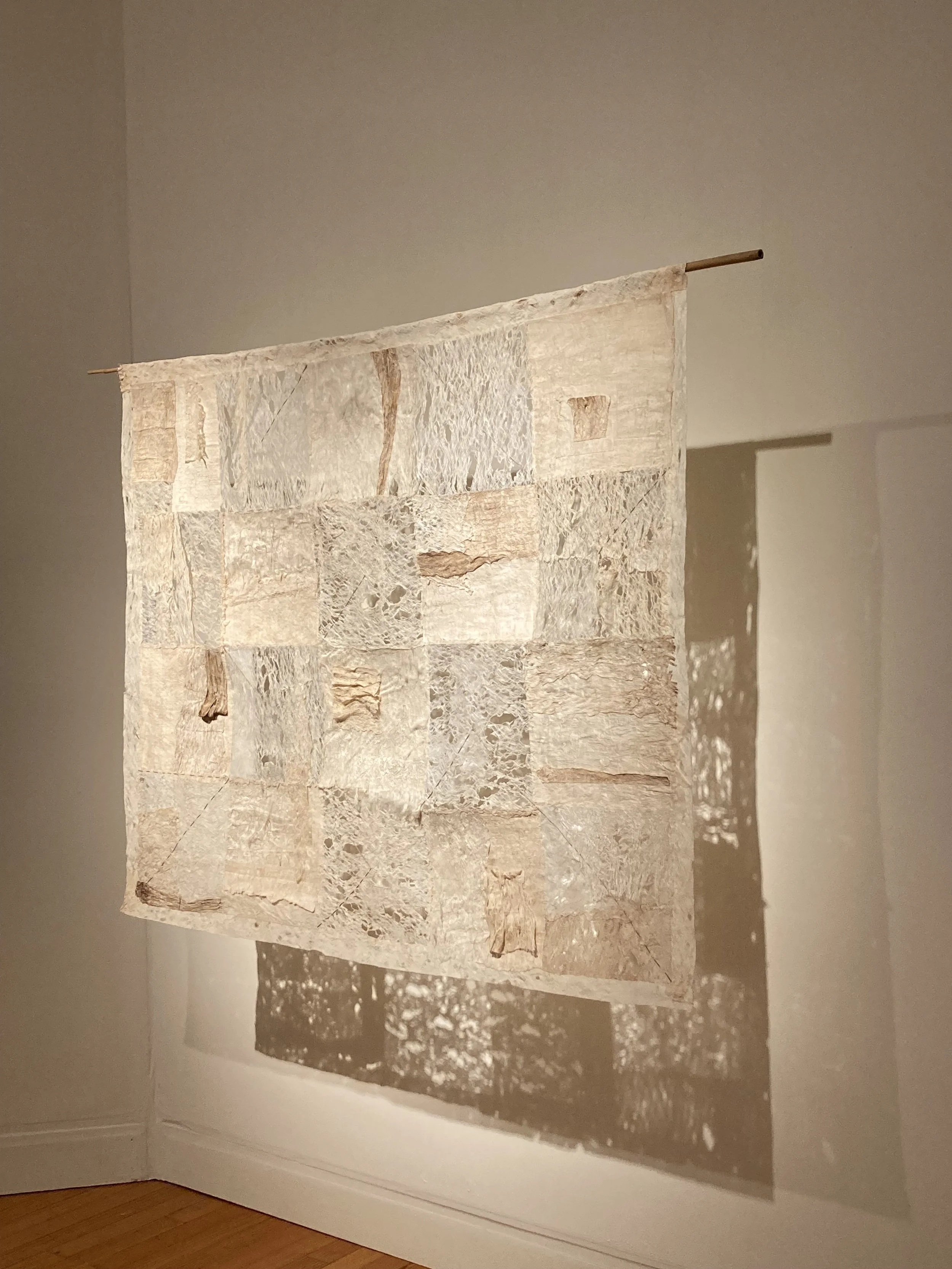
Although I soak and pound the wauke similarly to the process traditionally used to make Hawaiian kapa, I refer to it in these pieces as tapa (a more generic term for bark cloth), as it is intentionally aesthetically distinct from traditional Hawaiian kapa. I am interested in the relationship between identity and place, and how people construct and deconstruct individual identities within the context of a larger society. I associate this journey of finding and fitting the various pieces of ourselves together with patchwork — articulating meaning in the patterns, textures, and salvageable pieces of our identities.
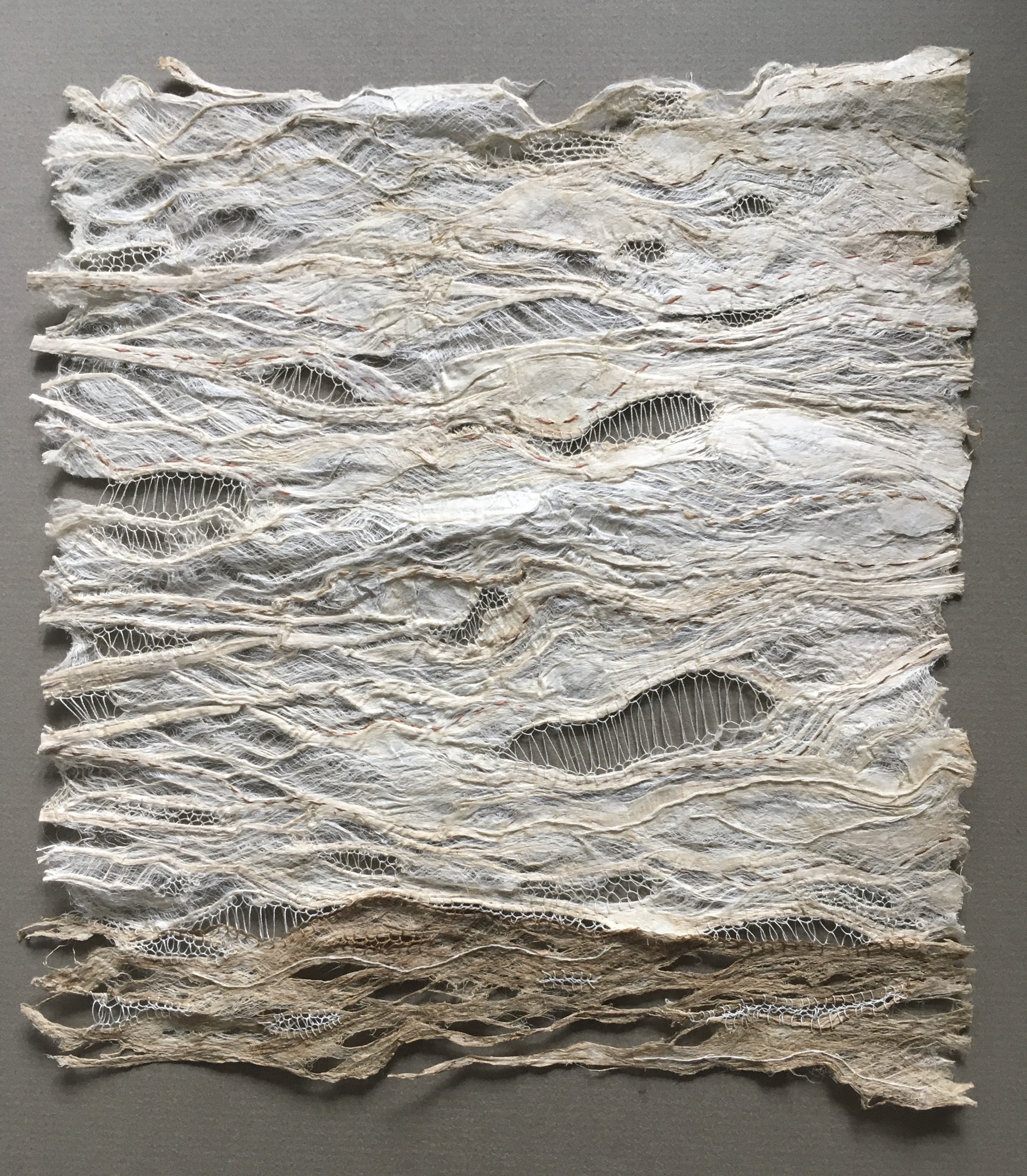
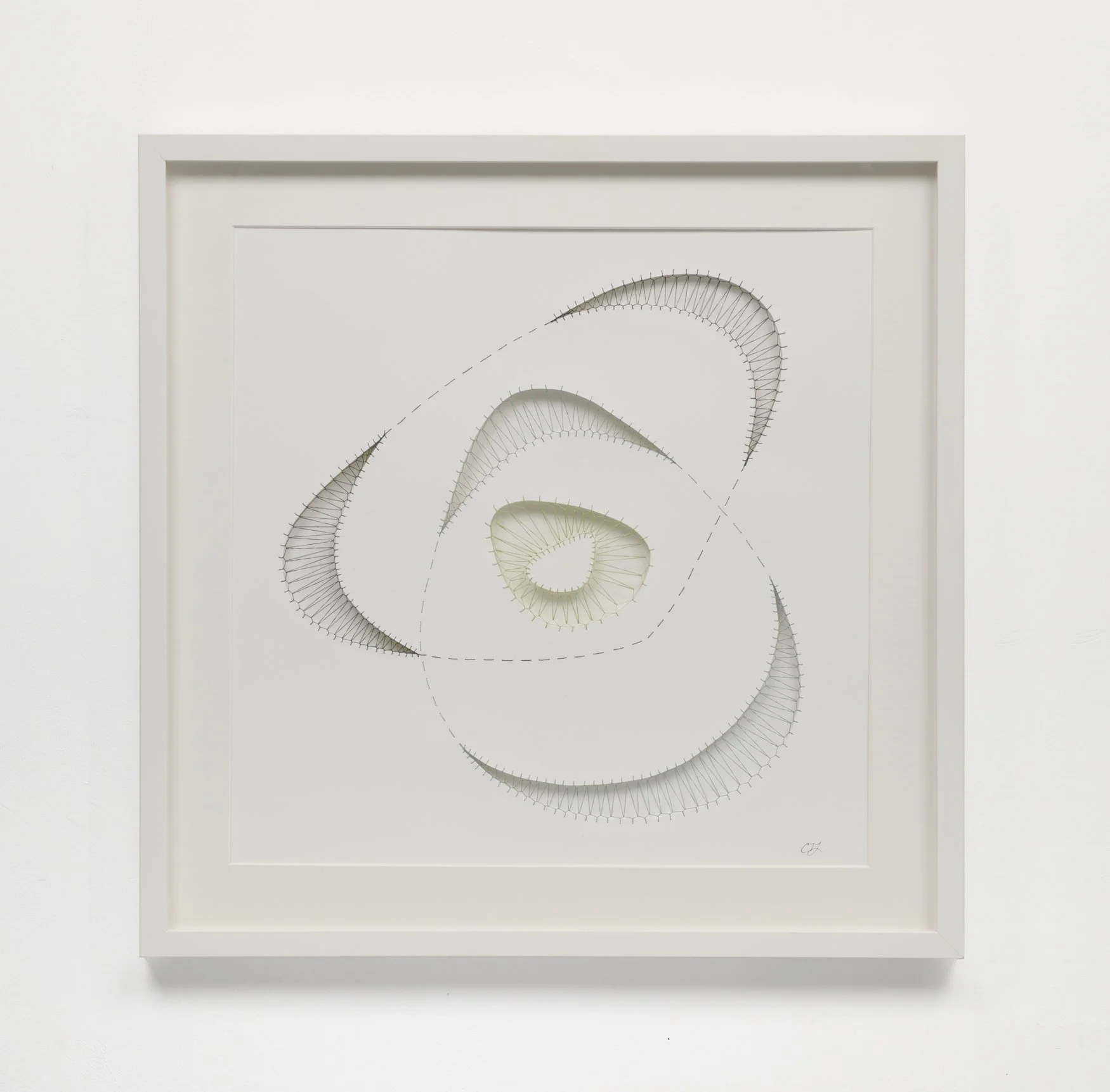
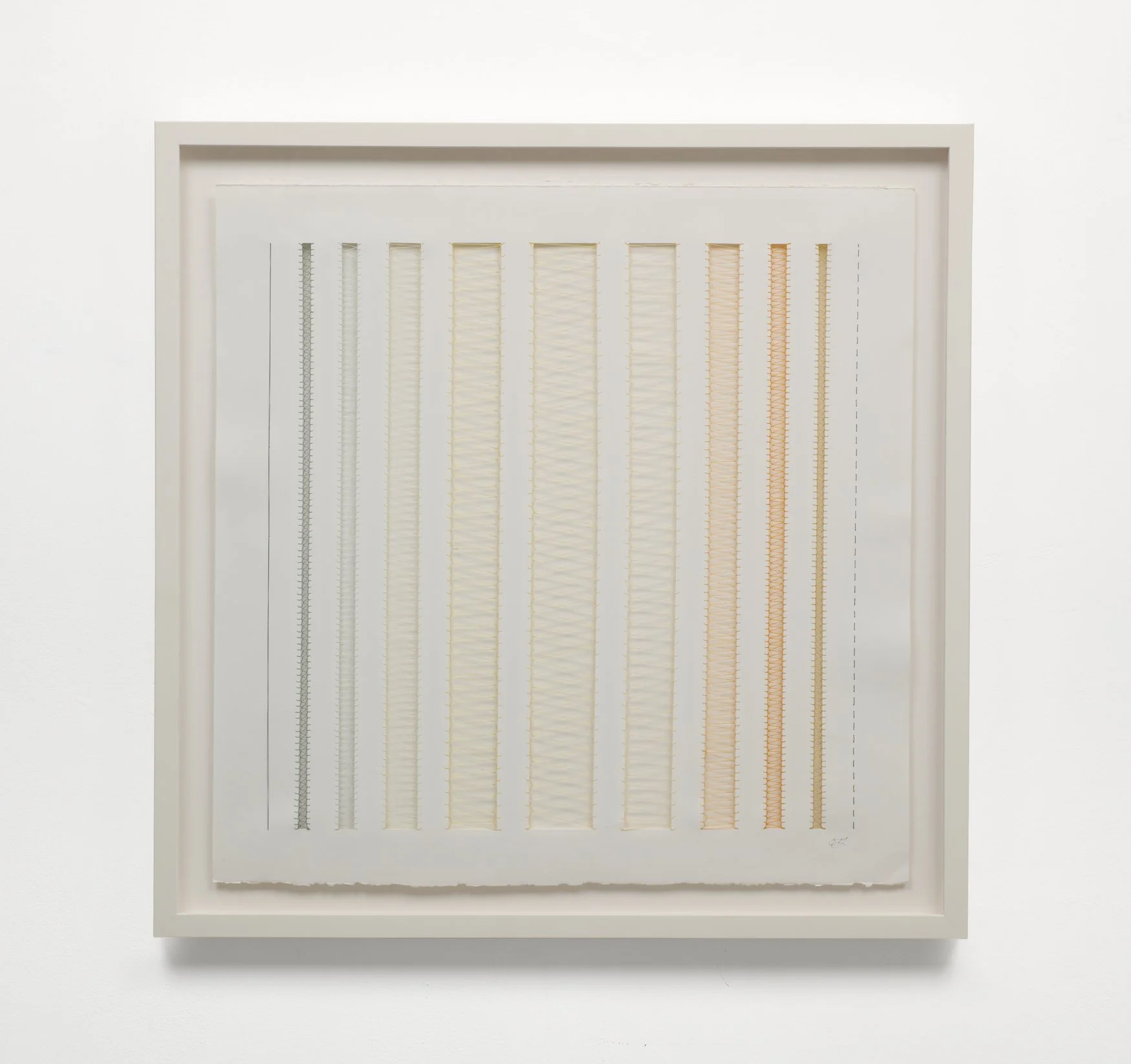
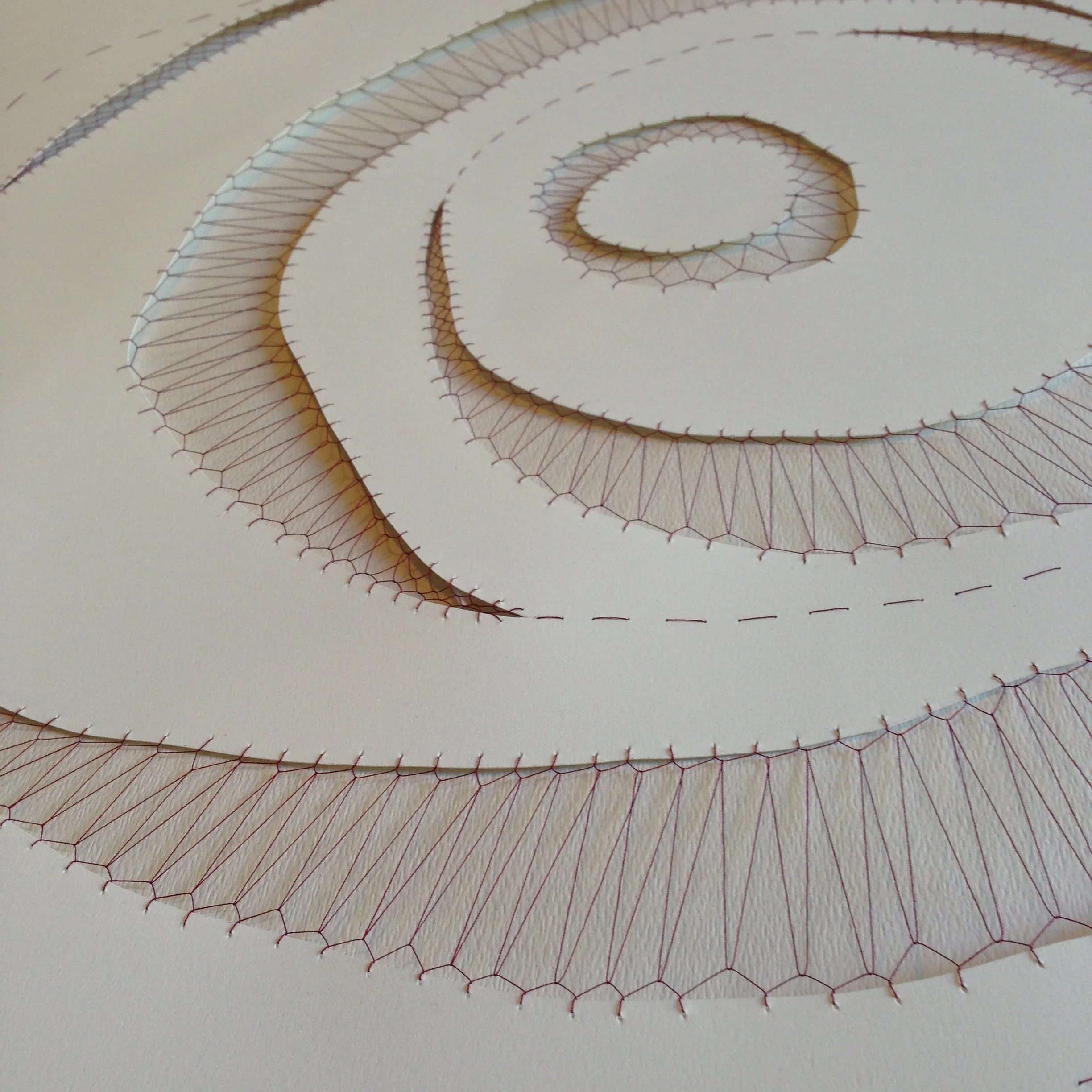
I am interested in the tension between form and freedom visually, and as a reoccurring tension in life. Here the paper represents form, the space, freedom. The thread, delicate and supple, plays between the two, carrying the qualities of both.









Quisque iaculis facilisis lacinia. Mauris euismod pellentesque tellus sit amet mollis.